

The Art of Styling a Bedroom
The bedroom has quietly become the most important room in the home – no longer just a place to sleep, but a sanctuary for rest, reset and recharge. This guide is about designing that feeling, from mood and materials to four Carpe Diem Beds room environments you can make your own.

Start with the feeling, not the style
It is tempting to design a bedroom by simply copying a look you admire. But a room built
around how you want to feel, rather than a single trend, will always be more satisfying to live in – and it won't fall out of fashion when the next trend arrives. Before choosing furniture or colours, it helps to turn inwards and ask what genuinely puts you at ease.
What makes you feel calm and content? What helps you take those deep, slow breaths at the end of the day? For one person that might be a soft, tonal palette that offers an escape from the day's stress; for another, it may be a more detail-rich, characterful room. Identifying the atmosphere you want to create is the essential first step, because once you know the mood you are after, every material, colour and shape becomes easier to choose.
Decorating a bedroom is about aesthetics, but it is even more about sensory richness and presence. Your emotional response is a valuable guide. Notice what you experience and feel in different kinds of rooms, and what gives you positive associations. The goal is a space that is more than beautiful to look at – one that feels like a dream to wake up in.

Setting the scene: colour
Once you know the mood you are after, colour is one of the most powerful tools for creating it. The colour wheel is a helpful guide here, based on the idea that all colours relate to and interact with one another depending on their position on the wheel. As the painter Marc Chagall put it, all colours are the friends of their neighbours and the lovers of their opposites. If you want a contrasting, energising scheme, focus on colours that sit opposite each other on the wheel – these clash in the best way and visually reinforce one another. If you prefer a quieter, lower pulse in the room, opt for a single colour and simply add black or white to create a monochrome scheme, or choose colours that sit adjacent to each other for a broader but still harmonious palette.
A few palette approaches worth knowing:
• Monochromatic – one hue explored in various tints and shades, adding depth without disrupting the mood.
• Complementary – opposites on the wheel, for high-contrast energy when you want the palette to pop.
• Analogous – colours next to each other, offering subtle variation and a calming effect.
• Triadic – three equally spaced colours, for a vibrant yet balanced feel.
• Split-complementary – one base colour with the two neighbours of its opposite, providing balance, contrast and softness.

Setting the scene: materials
In the same attentive way you select colours, it is worth considering how different
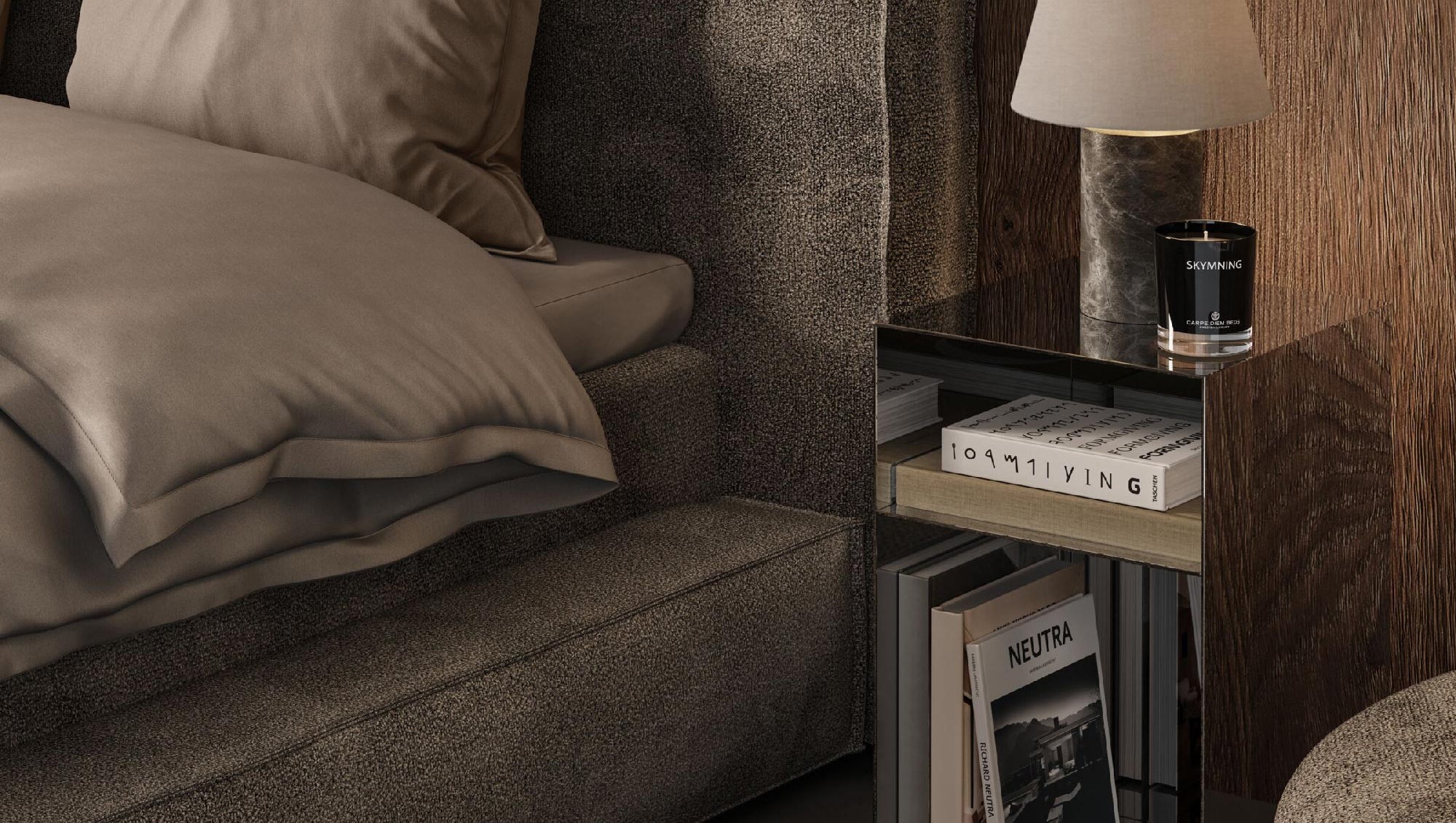
materials contribute to the overall effect of the room. Bedrooms are often perceived as subdued spaces, largely because of the sheer proportion of textiles in them – the bed, mattress and headboard, duvets, pillows, bedspreads, curtains, rugs and other fabric-covered surfaces. To keep the room from feeling flat, it helps to add some hard and glossy details to balance all that softness, and to improve the acoustics. Wood, with its irregular grain and pattern, helps to ground the room and create variety in the material palette, as does bringing in greenery.
Designing a room resembles cooking; it is about combining different ingredients into a harmonious whole. Using only one colour, or only soft textiles, can make the overall experience flat and difficult to navigate. If you add something hard alongside something soft, something restrained alongside something plush, something shiny alongside something rugged, you give the eye and the other senses more to focus on – and a different depth to the room. It is also worth thinking about scent and sound, so the finished space engages all the senses at once. Layering textiles is one of the most powerful tools available. Mixing tactile materials with satin or velvet creates richness, texture and a sense of thoughtful curation. Choose your bed linen with the same care you would give a tailored suit or your favourite pair of jeans – you will, after all, spend more hours between your sheets than in almost anything else you own.

Bringing it together: a mood board
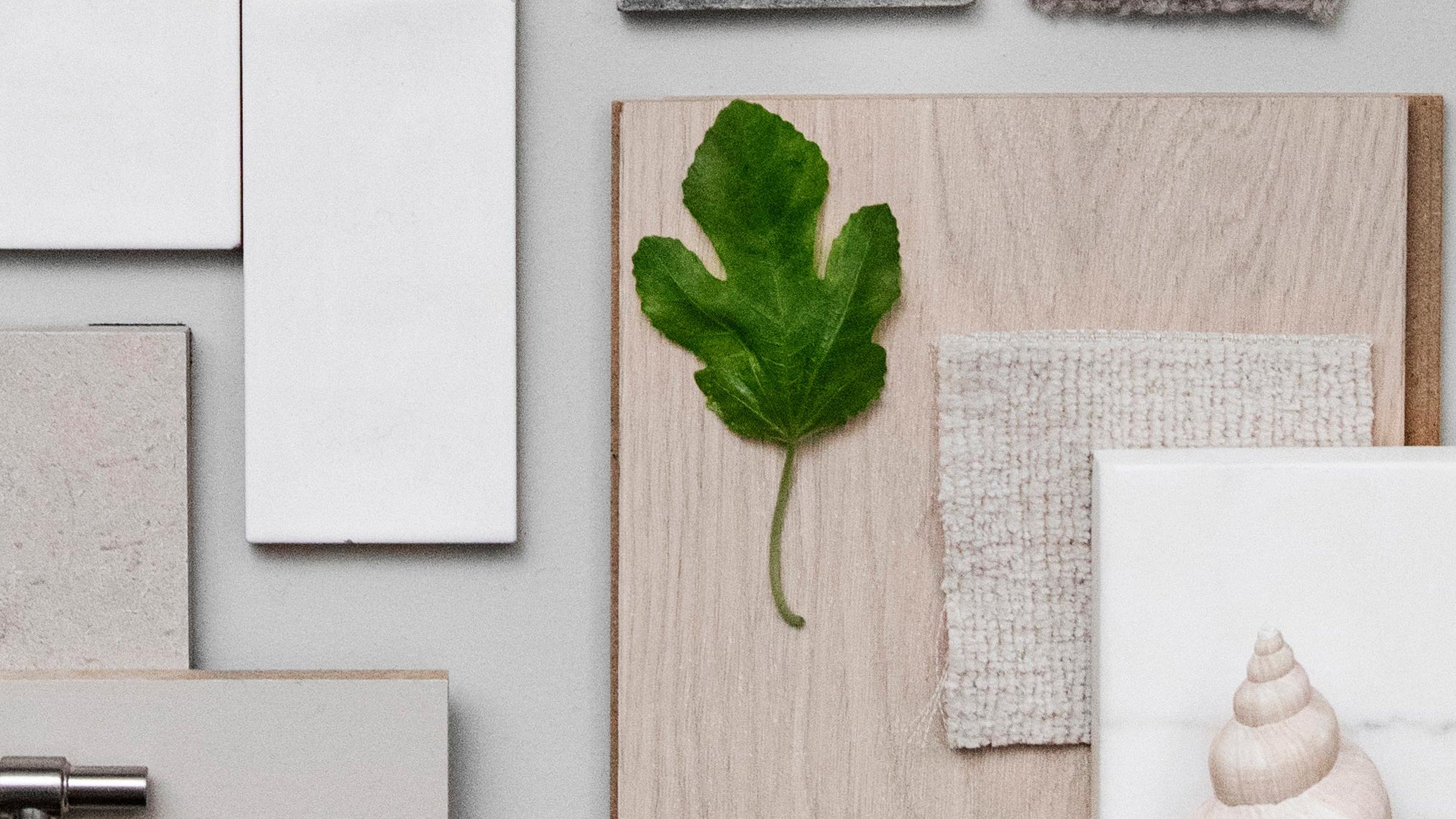
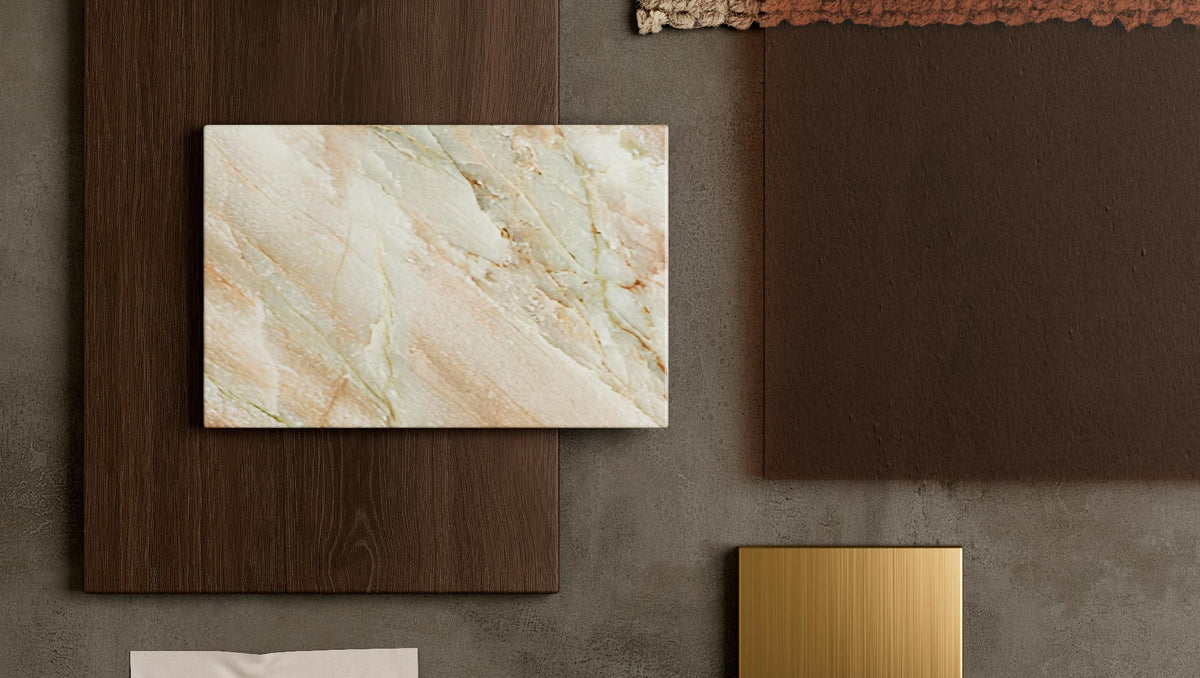
To move from idea to reality, a mood board is an invaluable tool. It is a curated collage of images, material samples, colours and textures that captures the feeling you
want to create – and it can be made physically, with paper, scissors and fabric swatches, or digitally. Start by gathering everything that appeals to you and captures a feeling, without over-analysing each choice; let the process be intuitive. Then review what you have collected and make a more refined selection, sorting out anything that clashes or was only ever a passing whim.
Look for the common thread – the recurring mood or design language – and group your samples into clusters, perhaps one for materials and surfaces, another for
colour. The aim is not perfection, but a clear visual interpretation of the room you are dreaming of. Shared with a partner, a retailer or an interior designer, a mood board dramatically reduces the risk of misunderstanding, and increases the likelihood of achieving exactly the result you envisage.

Four room environments to inspire you
Our approach to the bedroom is shaped by current design trends, the natural materials we work with, and the brand's Scandinavian heritage. It comes together across a range of room environments, each rooted in Nordic calm but creating its own distinct mood. The four below show how it can look in practice – choose the one that feels most like you, or borrow elements across all of them.
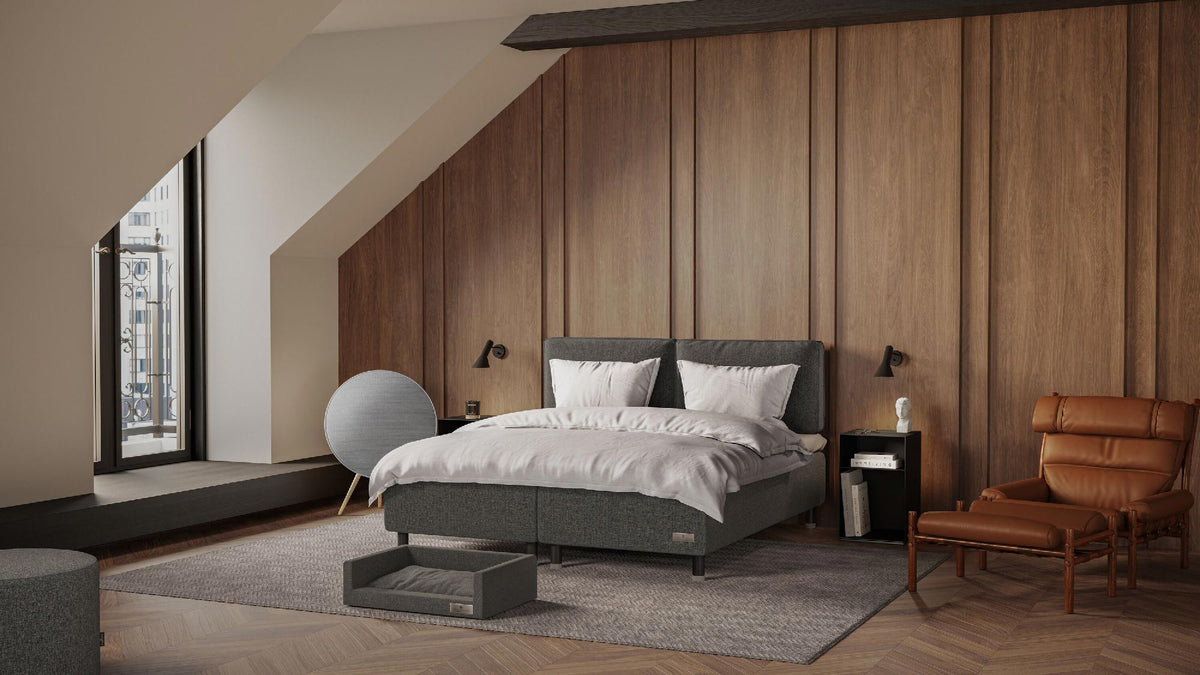
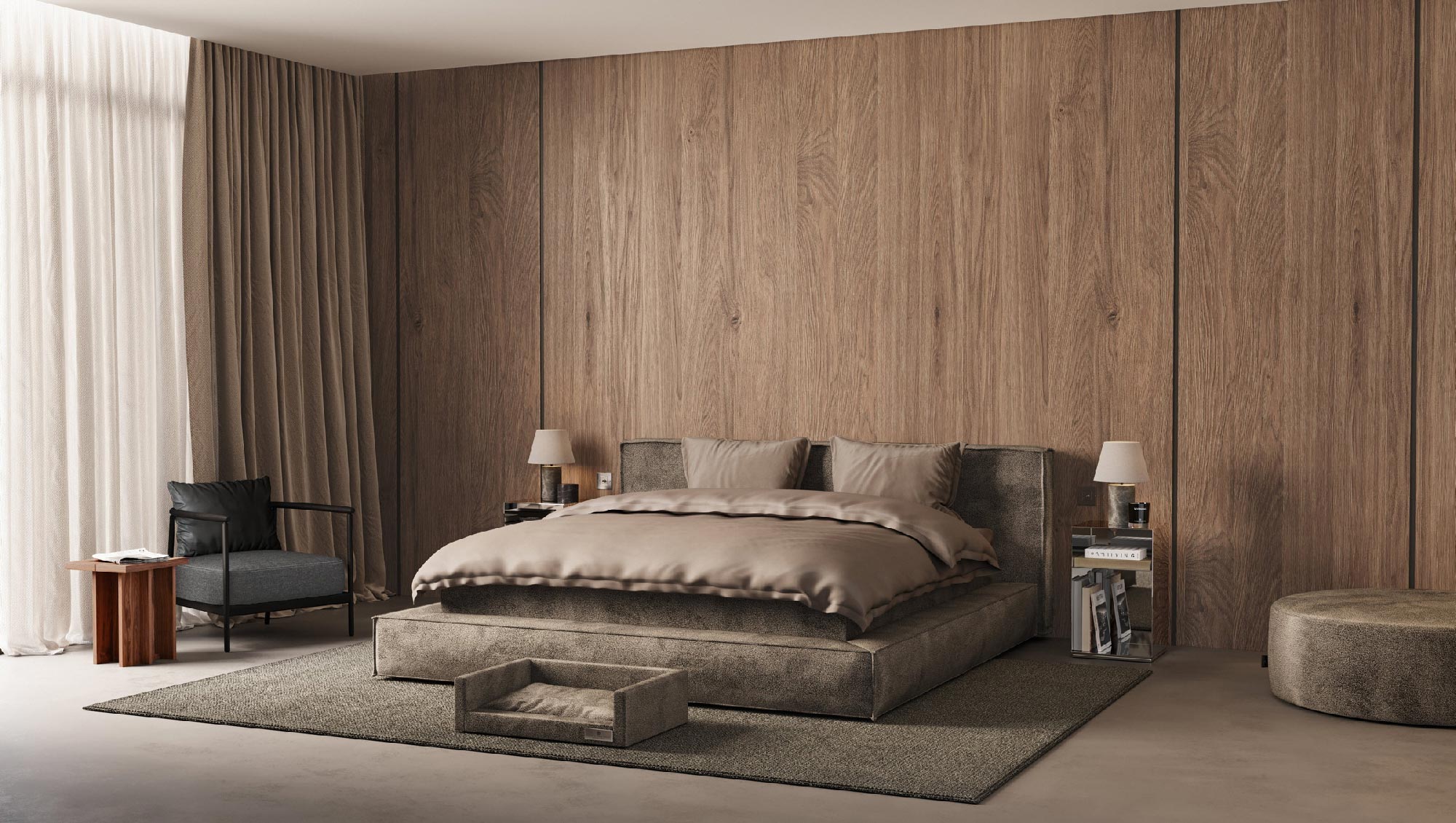
Elegant, timeless, symmetric and rich in details. This is warm contemporary Scandinavian styling – a mix of Nordic minimalism and rich, hotel-like sophistication.
The lines stay clean and simple, and the palette is neutral and earthy: beige, taupe and warm wood, with the emphasis firmly on calmness and understated elegance. A wood-panelled accent wall brings warmth to the room, while light wood legs on the bed add a Nordic touch. Soft textiles – the rug, the curtains, the bedding – create a cosy but uncluttered feel, and the bed, bedside tables and furniture all share a straight, unfussy silhouette. An oversized rug helps to ground the whole room.
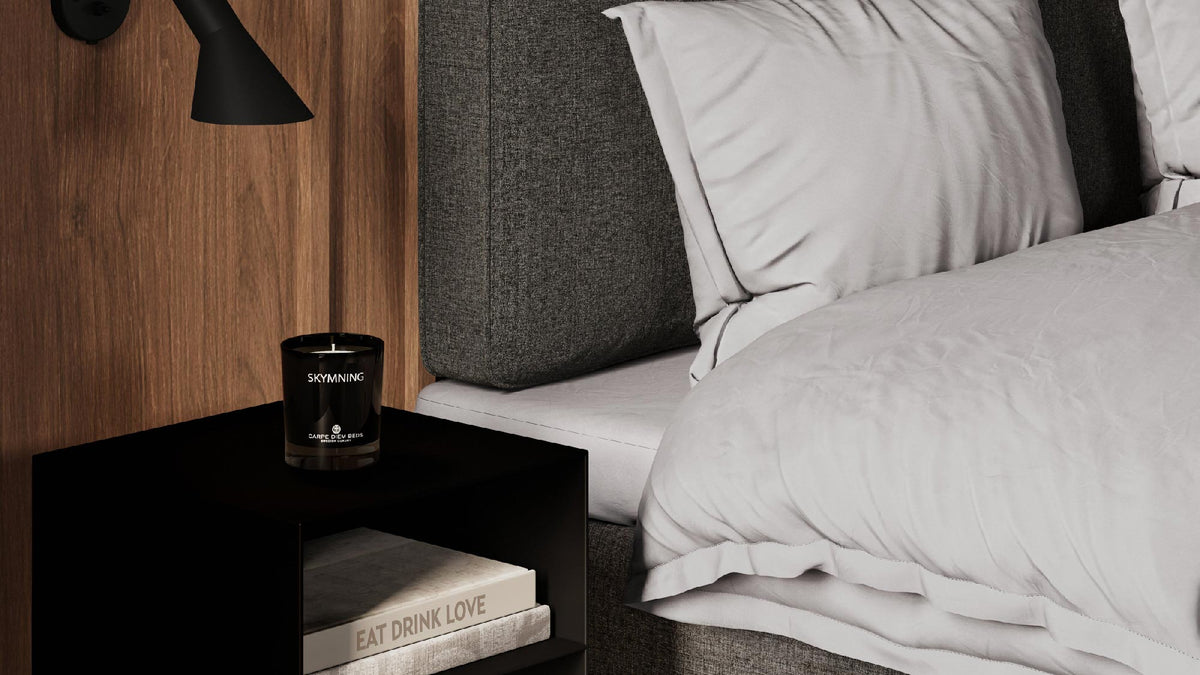
A softer, lighter expression of that same classic, timeless elegance. Clean, simple lines are paired with a neutral, earthy palette of beige, taupe and warm wood, keeping the focus on calmness and understated elegance. A wood-panelled accent wall brings warmth, and light wood legs on the bed add a Nordic touch. Soft textiles – the rug, the curtains, the bedding – create a cosy but uncluttered feel, while the bed, bedside tables and furniture keep to a straight, unfussy silhouette. It is classic minimalism at its most relaxed and inviting.
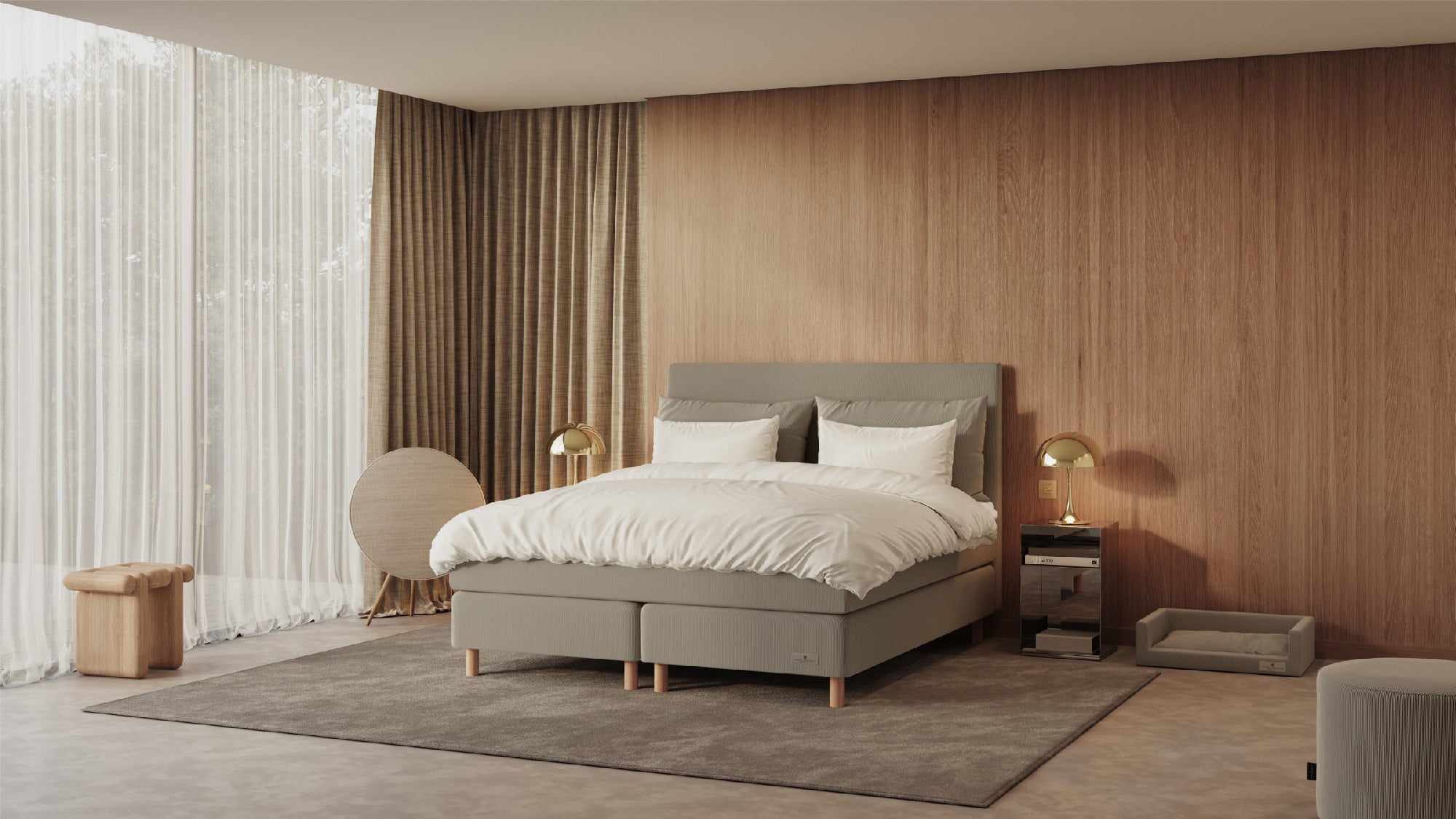
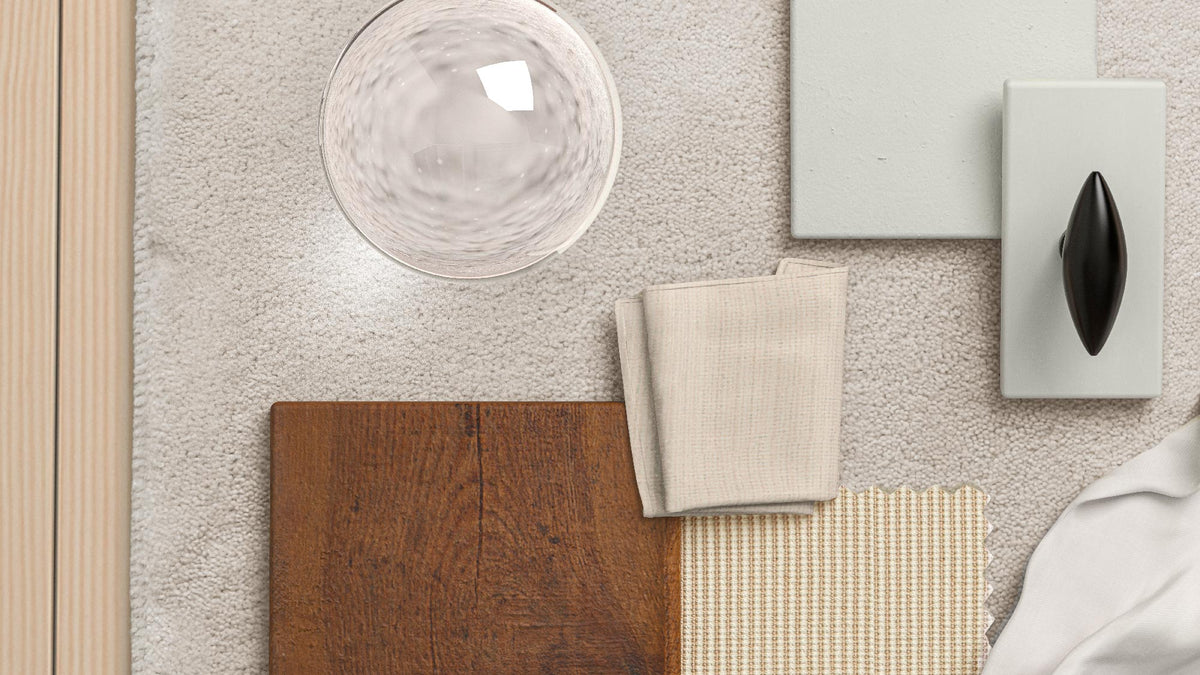
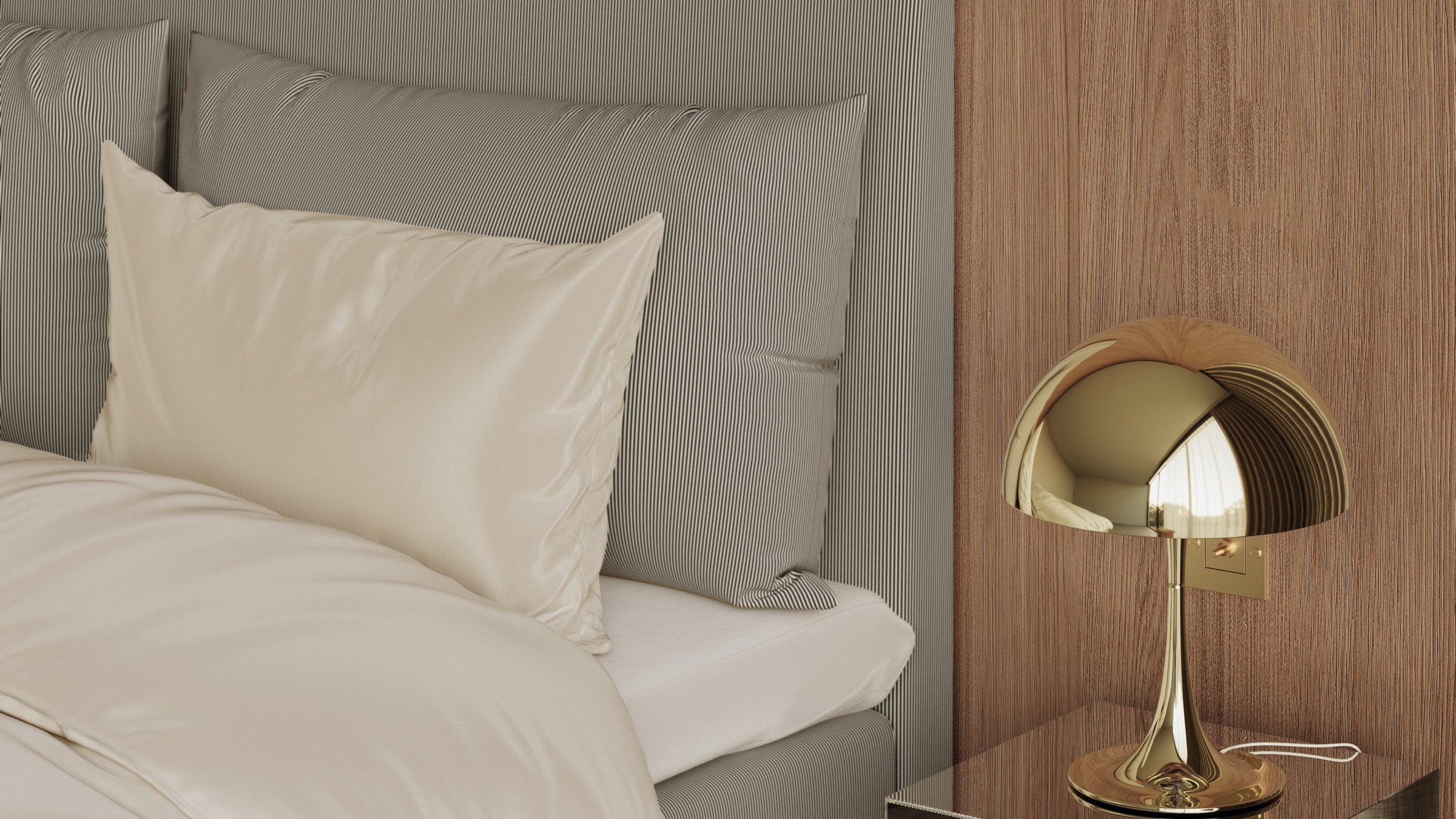
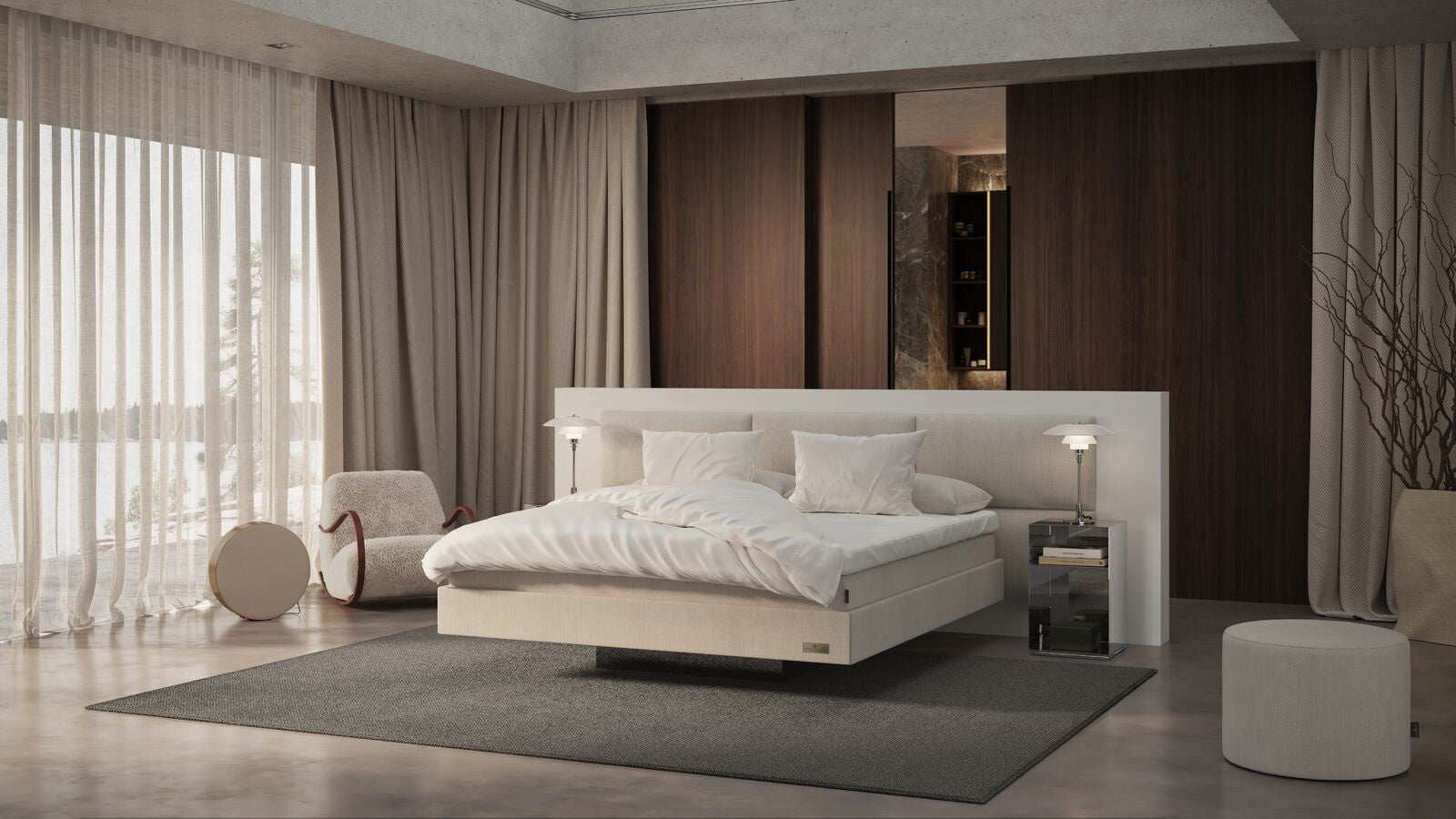
Clean lines meet a light, neutral palette of soft beiges, whites and warm wood, for a
distinctly minimalistic Scandinavian feel. Floor-to-ceiling curtains create softness and let in natural light, while an oversized rug grounds the space. Rich wood panelling behind the bed adds depth and sophistication, and introducing a rounded shape or two softens the geometry so the room never feels stark. The result is quiet, confident and effortlessly refined – luxury expressed through restraint rather than ornament.
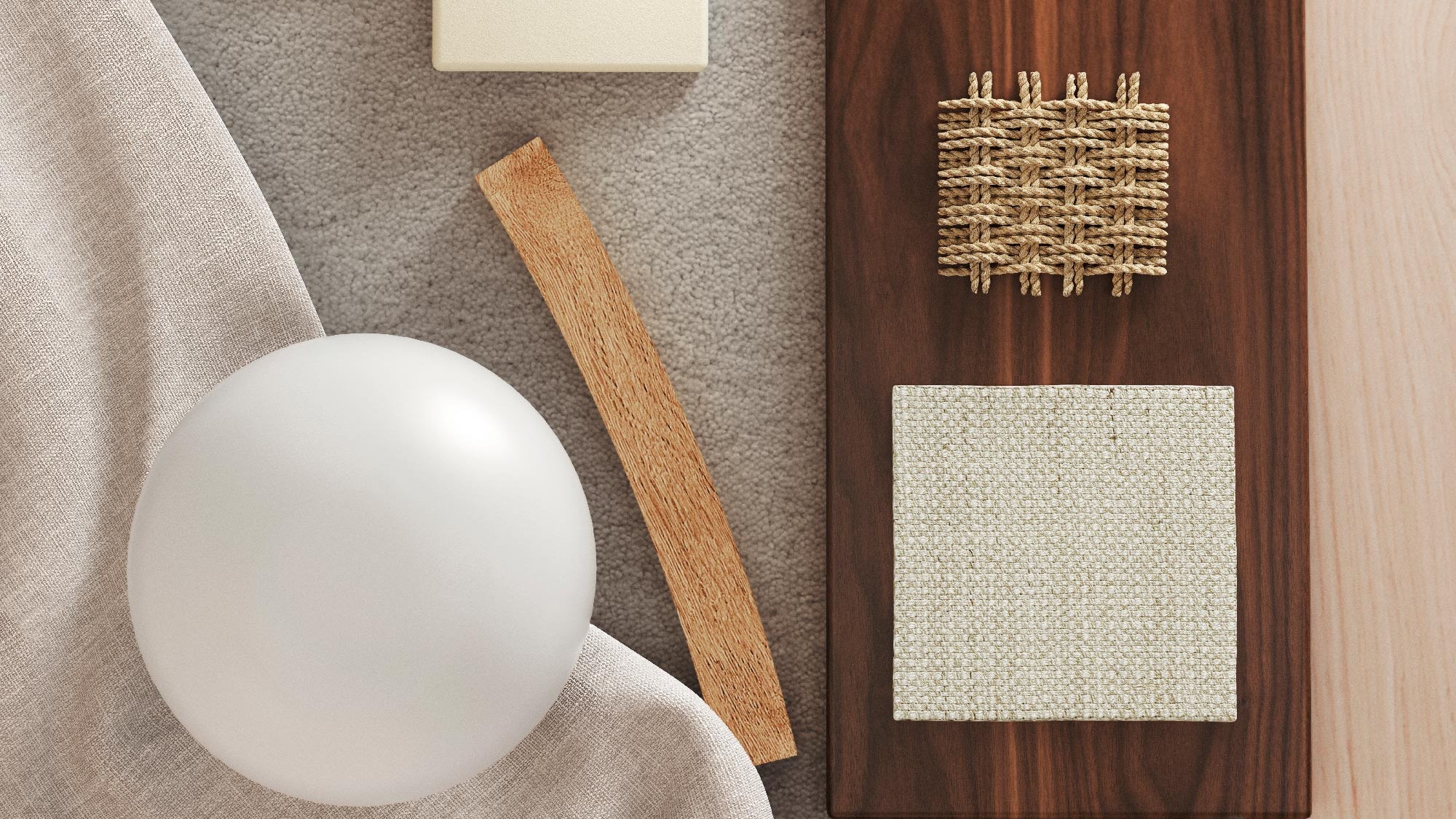
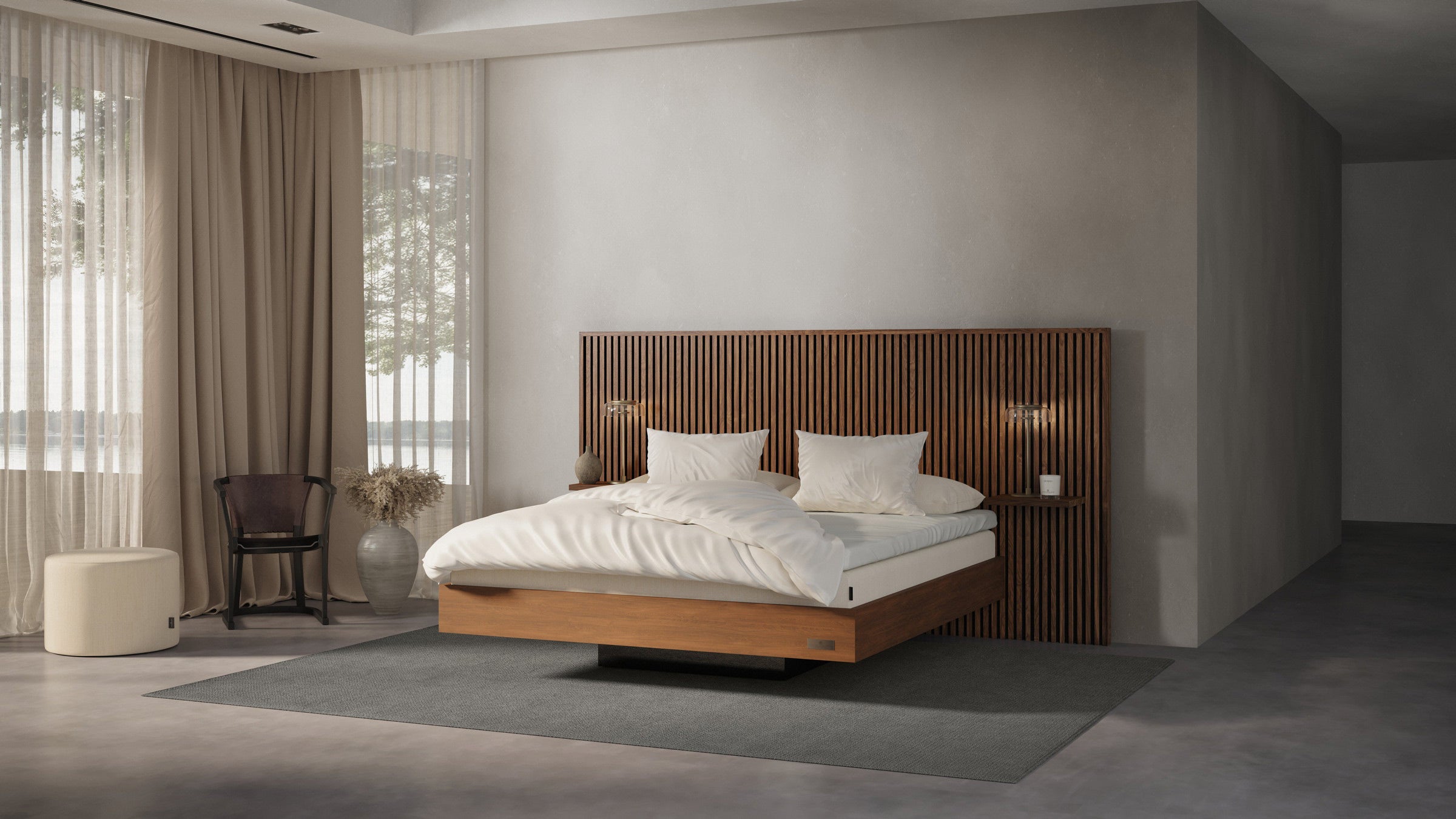
Japandi brings together Japanese simplicity and Scandinavian comfort, with minimalism and nature at its heart. A neutral colour palette is paired with clean lines and functional simplicity, and wooden panelling creates warmth and a sense of connection to nature. Natural materials such as wood, stone and linen are used in a simple, functional way, and craftsmanship is celebrated throughout to create a serene, calming space. Above all, the room blends in the Japanese concept of wabi-sabi: finding beauty in imperfection.
Bring your bedroom to life
Whichever environment speaks to you – the rich detail of a classic room, the light restraint of Scandinavian minimalism, modern minimalism with its confident calm, or the grounded serenity of Japandi – the aim is the same: a bedroom that feels like a true sanctuary, tailored to how you rest and how you want to live.
Explore the collections online, or visit one of our retailers, where a sleep advisor can help you bring the feeling you are after to life in person.
